
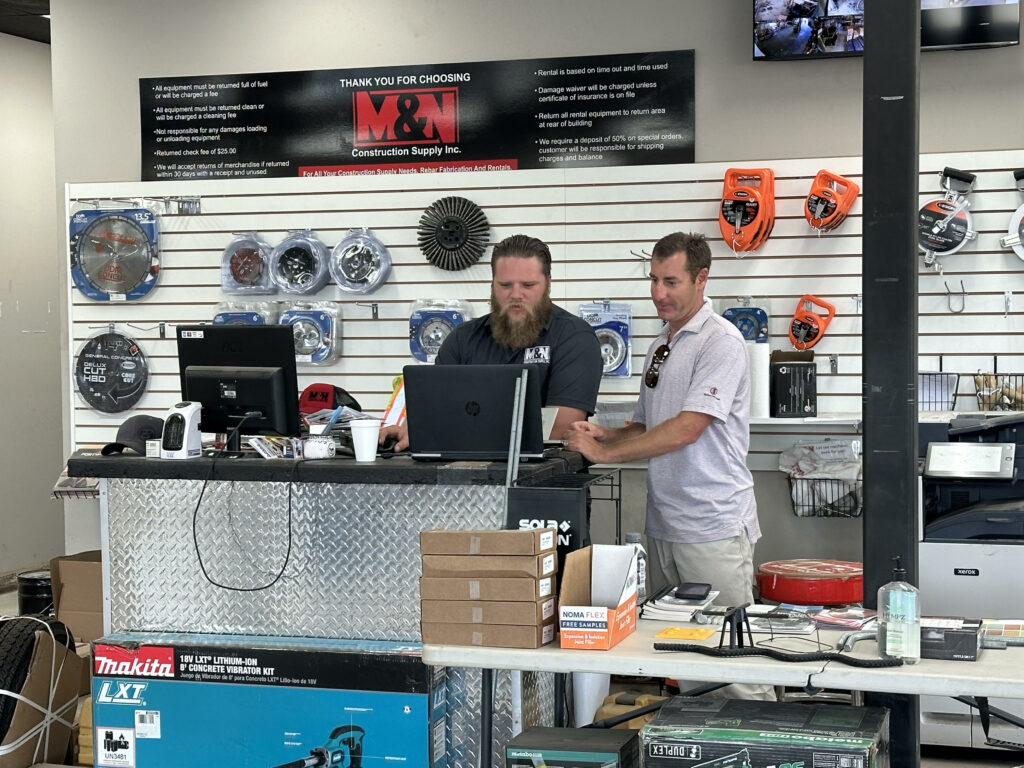
Every contractor faces this decision at some point. A project requires equipment you do not currently own, and you have to figure out whether renting or buying makes more financial sense. The answer is not always obvious, and the wrong choice can tie up capital you need elsewhere or leave you scrambling for equipment when deadlines get tight. Understanding when to rent and when to buy helps you make smarter decisions that keep your operation profitable.
Factors That Should Drive Your Decision
The most important factor is how often you will actually use the equipment. If you need a concrete saw twice a year, buying one means it sits in your shop the other 50 weeks collecting dust and depreciating. Renting gives you access when you need it without the carrying costs between jobs.
Maintenance is another consideration that many contractors underestimate. Owning equipment means paying for repairs, preventive maintenance, and eventual replacement. Rental equipment shows up ready to work, and when something breaks, it becomes the rental company’s problem to solve quickly so you can keep moving.
Equipment That Makes Sense to Rent
Specialized equipment used for specific project types belongs in the rental category for most contractors. Concrete pumps, large compactors, scaffolding systems, and specialty saws fall into this group. Unless your work consistently requires these tools, the utilization rate does not justify ownership.
Equipment for occasional large projects also makes sense to rent. If you land a bigger job than usual and need extra capacity for a few weeks, renting fills the gap without a long-term commitment. This flexibility lets you bid on work you could not otherwise handle.
Equipment Worth Owning
Tools and machines you use daily on nearly every job are candidates for purchase. Hand tools, small power tools, and core equipment central to your trade should probably be in your fleet. The math changes when utilization approaches constant use.
Equipment that gives you a competitive advantage might also be worth buying. If owning a particular piece of equipment lets you take on work competitors cannot, or complete jobs faster and more profitably, ownership makes strategic sense even if the pure financial calculation is close.
Managing Cash Flow With Rental
Renting smooths out your capital expenditures in ways that benefit cash flow. Instead of a large purchase that drains your operating funds, rental spreads costs across projects where you can bill for equipment use. This keeps cash available for payroll, materials, and other immediate needs.
Newer contractors especially benefit from rental because it reduces the upfront investment required to take on diverse projects. You can grow your capabilities without growing your debt load at the same pace.
Making the Right Call
There is no universal answer to the rent versus buy question. Each piece of equipment and each business situation requires its own analysis. M&N Construction Supply offers equipment rental alongside sales, so we can help you think through which option makes sense for your specific needs. Stop by or give us a call to discuss your upcoming projects.